Hampstead Property & Architecture Guide
Hampstead’s property stock is among the most varied and historically significant in London. From Georgian terraces that date back t...



Hampstead sits high above London on one of the capital’s tallest hilltops, 134 metres above sea level. It’s a place where narrow lanes wind between Georgian townhouses, independent coffee shops line the high street, and 790 acres of ancient heath begin at the end of the road. For centuries, writers, painters and thinkers have been drawn here, from John Keats to Sigmund Freud, and the area still carries that same intellectual, slightly bohemian feel today. But Hampstead isn’t just about history.
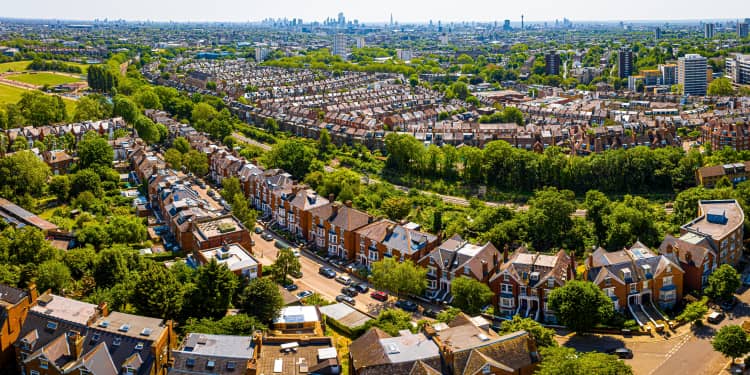
It’s also one of London’s most desirable places to live, thanks to its outstanding schools, excellent transport and a property market that continues to command some of the highest prices in the capital. Whether you’re considering a move from overseas or looking to settle in a quieter corner of London without sacrificing convenience, Hampstead deserves serious consideration.
As luxury estate agents in Hampstead, Eaton Premier works closely with buyers, sellers, landlords and tenants across the NW3 postcode. This guide covers everything you’ll want to know about the area, from property prices and school options to local restaurants and green spaces.
There aren’t many places in London where you can walk out of your front door and be on open heathland within minutes. Hampstead Heath, managed by the City of London Corporation, stretches across 790 acres of woodland, meadow and bathing ponds. Parliament Hill offers one of the best views of the London skyline, and Kenwood House sits at the northern edge with its collection of Old Masters and free summer concerts.
The village itself has a feel that’s quite unlike most of London. Heath Street and the High Street are lined with independent shops, small galleries, and restaurants rather than chain outlets, though a few well-known names have found their way in. There’s an Everyman cinema, a well-regarded farmers’ market, and a string of cafés that spill onto the pavement when the weather allows. The literary and artistic history runs deep here. John Constable painted many of his famous landscapes from the Heath, and you can still visit Keats House on Keats Grove, where the poet wrote some of his finest work.
For families, the concentration of highly rated schools is a significant draw. The area falls within the London Borough of Camden, and the local council maintains several well-performing primary schools. But it’s the independent sector that really stands out, with names like University College School, South Hampstead High School and Devonshire House all within walking distance of the village centre.
Hampstead’s origins are recorded in the Domesday Book of 1086, when the manor was held by the monks of Westminster Abbey. For much of the medieval period it was a small rural settlement, known mainly for its laundresses who used the clean water from the Fleet River’s source on the Heath. The area’s fortunes changed in the early 18th century when mineral springs were discovered, briefly turning Hampstead into a fashionable spa town. The Well Walk area still takes its name from those springs.
As the spa declined, Hampstead’s elevated position and clean air continued to draw wealthy Londoners who built substantial houses along its lanes. The arrival of the Northern line in 1907 made commuting practical, and the area grew steadily while retaining its village character. It was one of the first areas in London to receive conservation area status following the 1967 Civic Amenities Act. Today, much of the original streetscape remains intact, with over 300 listed buildings protected under planning law.
According to Rightmove, the average property price in Hampstead over the past year was roughly £1.62 million. That figure covers everything from one-bedroom flats to large detached houses, so it’s worth breaking down further. Flats sold for an average of around £1.03M, terraced properties for roughly £2.35 million, and detached homes reached approximately £6.29 million.
Prices have rebounded strongly over the last year, now sitting slightly off the all-time highs of 2022, when averages were closer to £1.64 million. That said, Hampstead has historically held its value well compared to many other London areas. The NW3 postcode carries a strong reputation, and demand from both domestic and international buyers keeps competition steady for the best properties. HM Land Registry data, available via Gov.uk, shows that detached houses on the most sought-after roads regularly trade above £5 million, with the finest examples exceeding £10 million.
The rental market is equally robust. A well-finished two-bedroom flat in the village could let for £2,500 to £3,500 per month, while larger family homes could command £7,000 per month and upwards. The most substantial properties, particularly those close to the Heath, may let for over £15,000 per month.
Hampstead Underground station is on the Northern line and sits in Zone 2. It’s one of the deepest stations on the network, with lifts rather than escalators taking you down to platform level. From here, you can reach Leicester Square in about 15 mins and the City in under 25. Belsize Park station, just down the hill, offers another Northern line option.
Hampstead Heath Overground station connects to the North London line, running services between Richmond and Stratford. West Hampstead, a short journey away, adds Thameslink rail services to St Pancras, Luton Airport Parkway and stations further north, along with Jubilee line access at Finchley Road for a fast route to Baker Street and Canary Wharf.
Several bus routes serve the area. The C11, 46 and 268 are among the most useful, linking Hampstead with Camden Town, King’s Cross and Swiss Cottage. By car, the A41 Finchley Road runs along the western edge and connects to the North Circular, while central London is typically 20 to 30 minutes away depending on traffic. For more detail on local transport options, visit Transport for London.
Hampstead has one of the strongest concentrations of independent schools anywhere in London. University College School (UCS) is perhaps the most well-known, founded in 1830 and occupying an impressive Edwardian campus on Frognal. It educates boys from age 11 to 16 and is co-educational in the sixth form. South Hampstead High School, a Girls’ Day School Trust institution established in 1876, regularly records some of the best GCSE and A-level results in the country. In 2024, 82% of its GCSE students achieved grades 8 or 9.
For younger children, Devonshire House Preparatory School on Arkwright Road caters for ages 2 to 13, and Hereward House offers a traditional boys’ prep education with strong results at Common Entrance. St Margaret’s School provides an all-girls environment for ages 4 to 16, with notably small class sizes of around 14 to 16 students. The Henrietta Barnett School in nearby Hampstead Garden Suburb is a state grammar school for girls that consistently ranks among the top state schools nationally.
On the state primary side, New End Primary and Fleet Primary are both well-regarded options within the Camden borough, though competition for places can be stiff given the area’s popularity with families.
The High Street and Heath Street form the commercial core. You’ll find a Waterstones, a small Tesco and a few familiar chain shops, but the real appeal lies in the independent shops. There are several antiques dealers, a long-standing bookshop, boutique clothing stores and a number of florists. Flask Walk, just off the High Street, has its own collection of small specialist retailers.
For larger supermarket shops, a Waitrose sits on Finchley Road and there are further options at Swiss Cottage. The Hampstead Farmers’ Market runs weekly and offers locally sourced produce. Burgh House on New End Square doubles as a museum, gallery and café, and is worth a visit if only for the building itself, a Grade I listed Queen Anne house dating from 1704.
Hampstead’s dining scene leans towards relaxed, quality cooking rather than flashy fine dining. Jin Kichi on Heath Street has been a favourite for Japanese food for years, while La Gaffe on Heath Street offers a solid Italian menu in an intimate setting. The Wells Tavern on Well Walk is a well-respected gastropub, and The Stag on Fleet Road serves good pub food with a decent selection of craft beers.
For something more traditional, the Holly Bush on Holly Mount is one of London’s great historic pubs, tucked away on a quiet lane with wood-panelled interiors that haven’t changed all that much since the 1790s. The Spaniards Inn, up towards the northern end of the Heath, claims an even longer history and does a good Sunday roast.
Nightlife is understated by London standards. This isn’t an area known for late-night bars or clubs. Instead, you’ll find wine bars, cocktail spots and cosy pubs that tend to wind down by midnight. Anyone looking for something livelier will head to Camden Town or central London, both easily reached by tube.
The Royal Free Hospital in nearby Belsize Park is one of London’s major NHS teaching hospitals, offering accident and emergency services along with a wide range of specialist departments. It’s roughly a 10-minute drive or short bus ride from the village centre. Several GP surgeries serve the NW3 area, including the Hampstead Group Practice and Belsize Priory Health Centre.
For private healthcare, the Wellington Hospital in St John’s Wood is within easy reach, as is The Portland Hospital, which specialises in women’s and children’s health. There are also numerous private dental practices, physiotherapy clinics and wellness centres in and around Hampstead village.
Hampstead Heath is the obvious centrepiece. Its 790 acres include ancient woodland, grassland, ponds for swimming and model boating, and Parliament Hill with its famous panorama of the city skyline. Kenwood House, an English Heritage property at the northern end, hosts concerts in its grounds during summer and houses works by Rembrandt, Vermeer and Gainsborough.
Beyond the Heath, there are several smaller green spaces worth knowing about. Hill Garden and Pergola, a slightly hidden Edwardian walkway draped in climbing plants, is one of London’s least-known treasures. Golders Hill Park offers a more manicured setting with a small zoo, tennis courts and a café. Primrose Hill, just to the south, provides another excellent viewpoint and is popular with dog walkers and joggers alike.
Hampstead consistently ranks as one of London’s most desirable areas. It offers a rare combination of village-like surroundings, outstanding schools, fast transport links and some of the capital’s finest green spaces, all within Zone 2.
The overall average is approximately £1.62 million to £1.64 million depending on the data source, though this varies enormously by property type. Flats average around £1m, while detached houses can exceed £6 million.
Hampstead Underground station is on the Northern line in Zone 2. Leicester Square is about 15 minutes away by tube, and the City roughly 25 mins.
University College School and South Hampstead High School are the two most prominent independent options. The Henrietta Barnett School is an excellent state grammar. Several well-regarded primaries also serve the area.
Whether you’re looking to buy, sell, let or rent in Hampstead, Eaton Premier provides a fully personal, end-to-end property service tailored to your circumstances. Our team has deep knowledge of the Hampstead market and access to off-market opportunities across the region.
To arrange a consultation or book a valuation, contact us on 020 3427 5682, email info@eatonpremier.co.uk or visit our office at 53 Davies Street, Mayfair. You can also book a valuation online or register as a buyer or tenant to receive details of exclusive off-market properties.

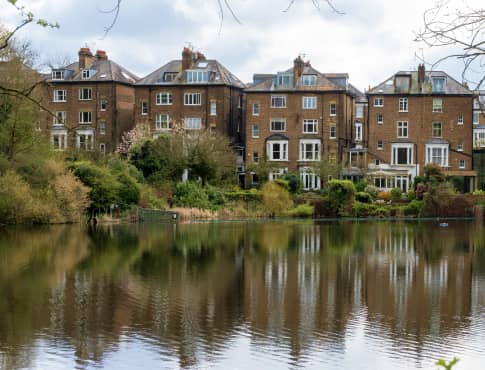
Hampstead’s property stock is among the most varied and historically significant in London. From Georgian terraces that date back t...
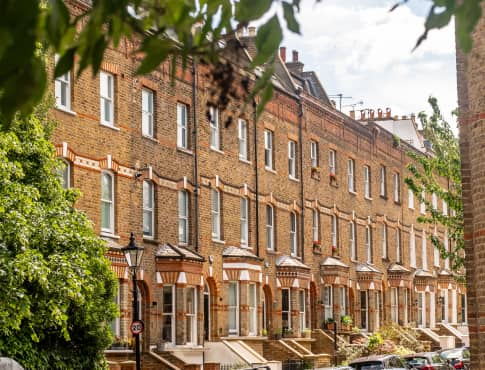
In Hampstead, the difference between one street and the next can be considerable. A terraced cottage on a quiet lane near Flask